Nuremburg, Munich, & Oktoberfest!

Written by: Abbey Pratt M.S., CCC-SLP

Back in September/October, my parents and I took off to cross off the #1 item on my dad’s bucket list…. Oktoberfest in Munich, Germany!

So, in Abbey fashion, I created an itinerary, added more places to explore, and researched all the recommended local places for beer and food. Let’s just say, I might be my parent’s new travel agent.

Here is a very brief itinerary for our Germany trip!

  • Day 1:
  • Day 2:
    • Day started off with coffee and pastries at Hype Cafe (delicious!)
    • Once caffeinated and full, we set off to explore!
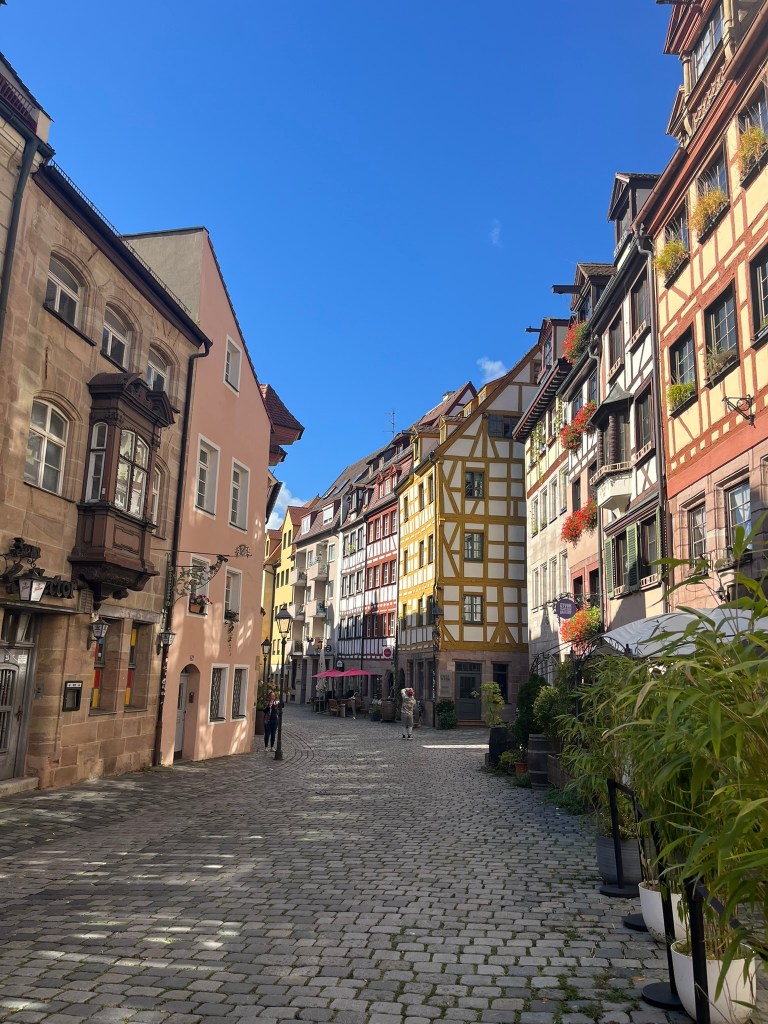
      • Walked down WeiBSgerbergasse street
      • Tiergartenstr Plaza
      • Market Square – Old Town
      • Grabbed a Gingerbread cookie
        • This is is must as the gingerbread cookie originated in Nuremburg!
      • Prayed in St. Lawrence Church
      • Walked through the various streets of Nuremburg
    • Ended the night at yet another pub, drinking beer, and enjoying life.
    • Restaurant Rec:
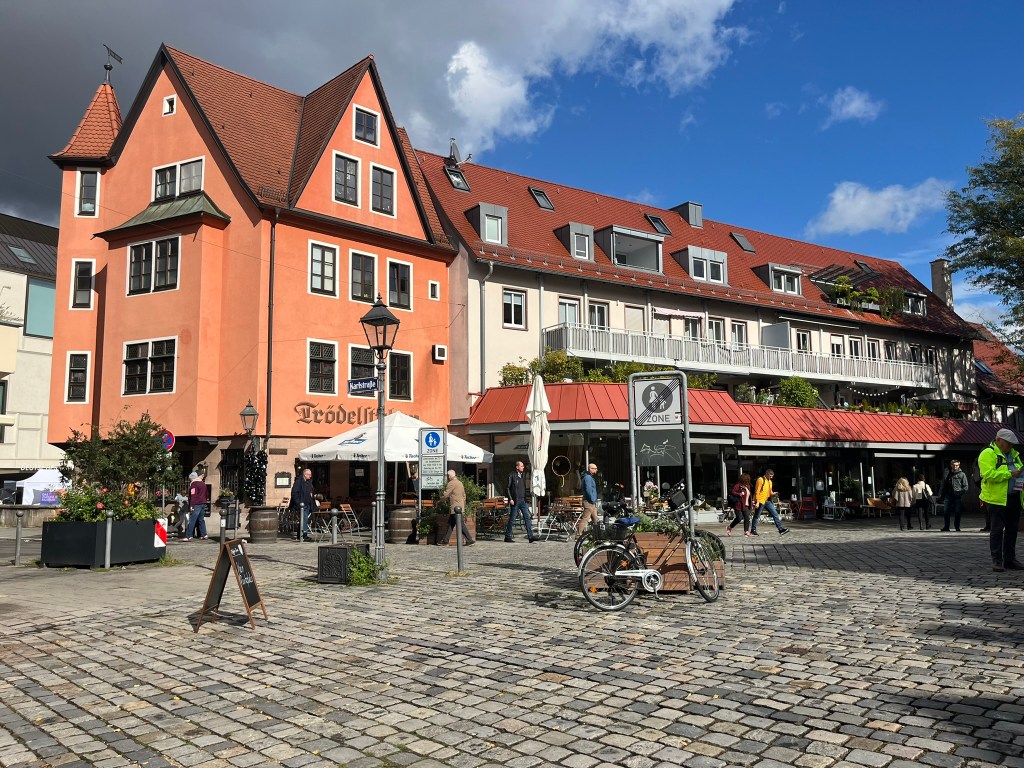
      • Restaurant Trodelstuben
  • Day 3:
    • Slept in and waited until check-out; Sabine was so helpful and allowed us to keep our luggage in the spare room (as our train was not until 4:30 pm)
    • Found a random cafe to have a cup of coffee before embarking on one last adventure in Nuremburg
    • Last on the list:
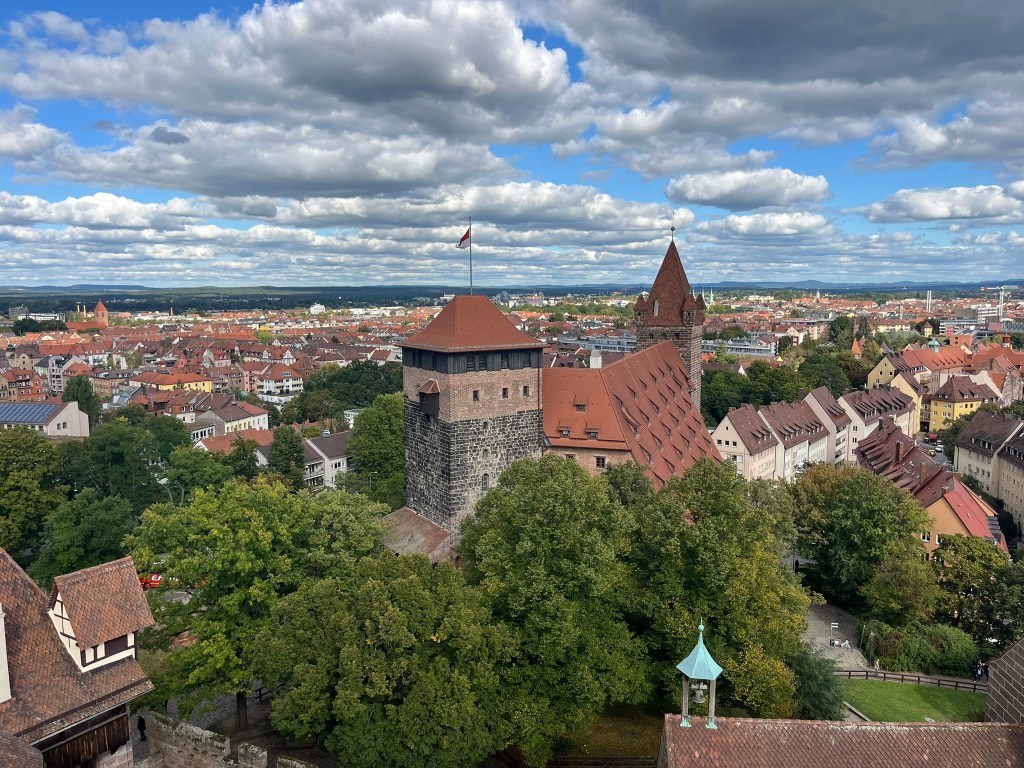
      • Imperial Castle
        • Highly recommend climbing to the top for INCREDIBLE views! (However, if you don’t want to climb the stairs, there is a restaurant at the bottom level to enjoy a cold one like my dad did).
    • Afterwards, we headed to the train station to travel back to Munich!
    • Arrived around 6 pm, checked into the hotel, and met up with my dad’s best friend from his childhood for dinner.
      • Long story short, my dad’s best friend and his wife were in Ireland the week before and decided to make the flight over to Germany to join us for Oktoberfest. (They can both die happy now).
  • Day 4:
    • OKTOBERFEST DAY!!!!
      • Lucky for me, I was the designated, glorified ‘babysitter’ for the day.
    • Of course, we got there super early to claim our spot in the Hofbraus tent (dad’s choice).
    • Other tents, I would recommend:
      • Schutzen (German music tent)
      • Schottenhamel (oldest)
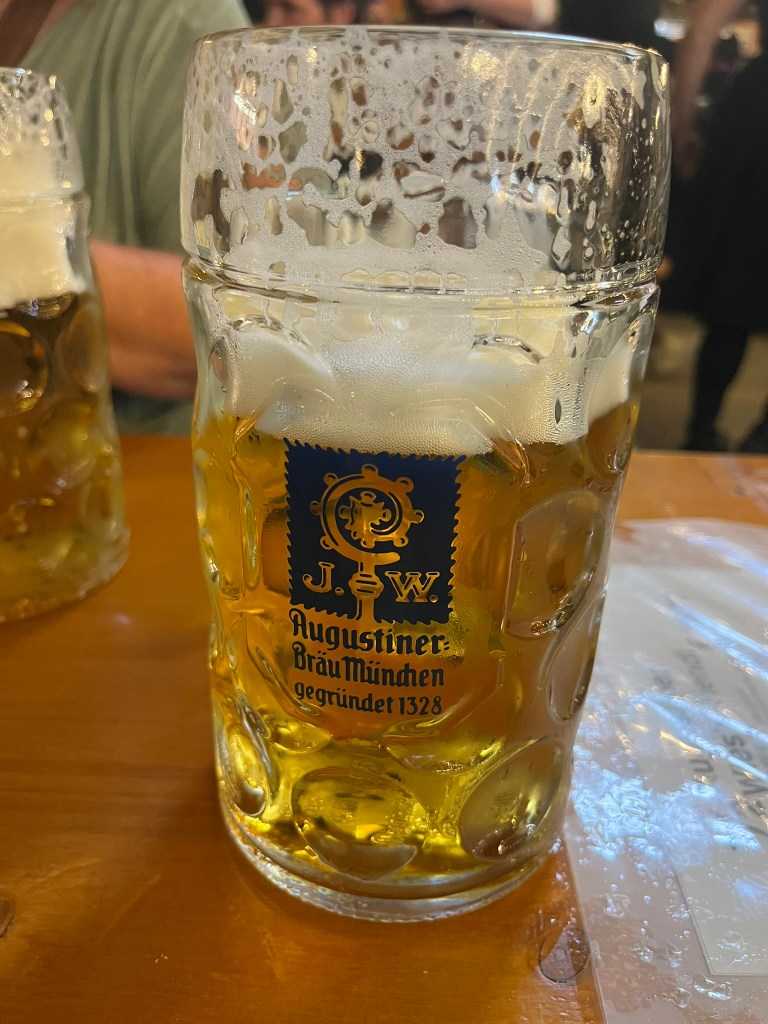
      • Augustiner (Created by monks in 1300s)
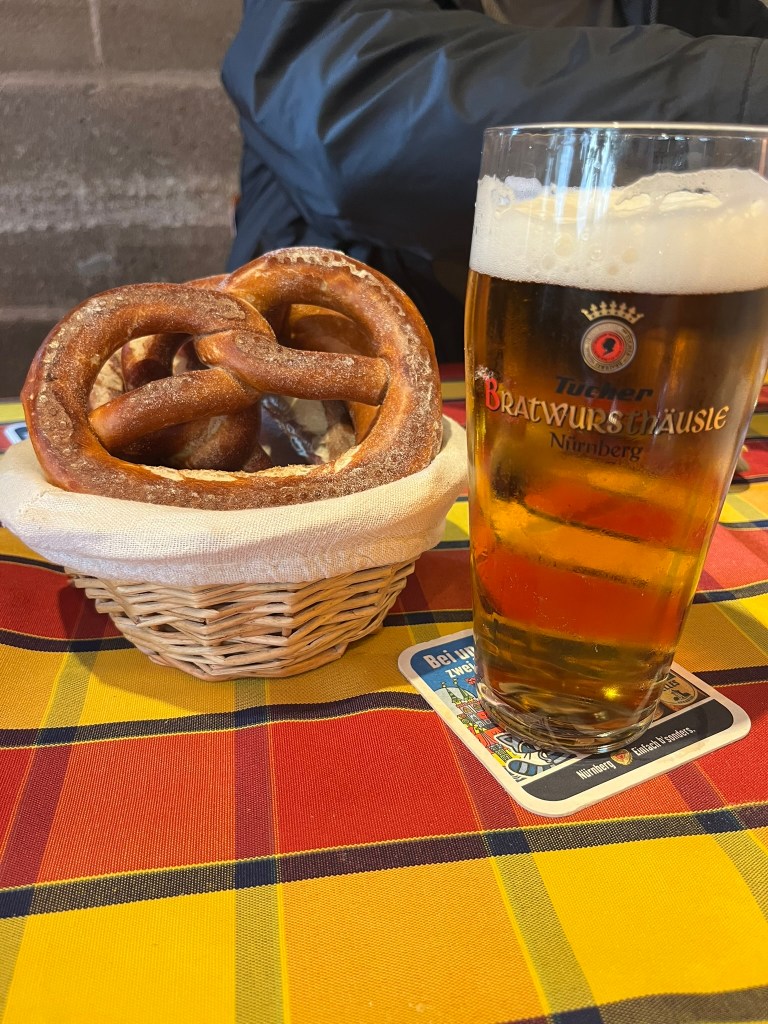
    • Wherever you end up, you will have the BEST time drinking beer, eating pretzels, and listening to good music.
      • To be honest, I don’t think you can go wrong!
  • Day 5:
    • You might have thought this would have been a recovery day… however, you thought wrong.
    • I did let my parents sleep in (although we were back at the hotel by like 9:30/10 pm (since they had started drinking around 11 am).
    • Munich adventures were on the itinerary today!
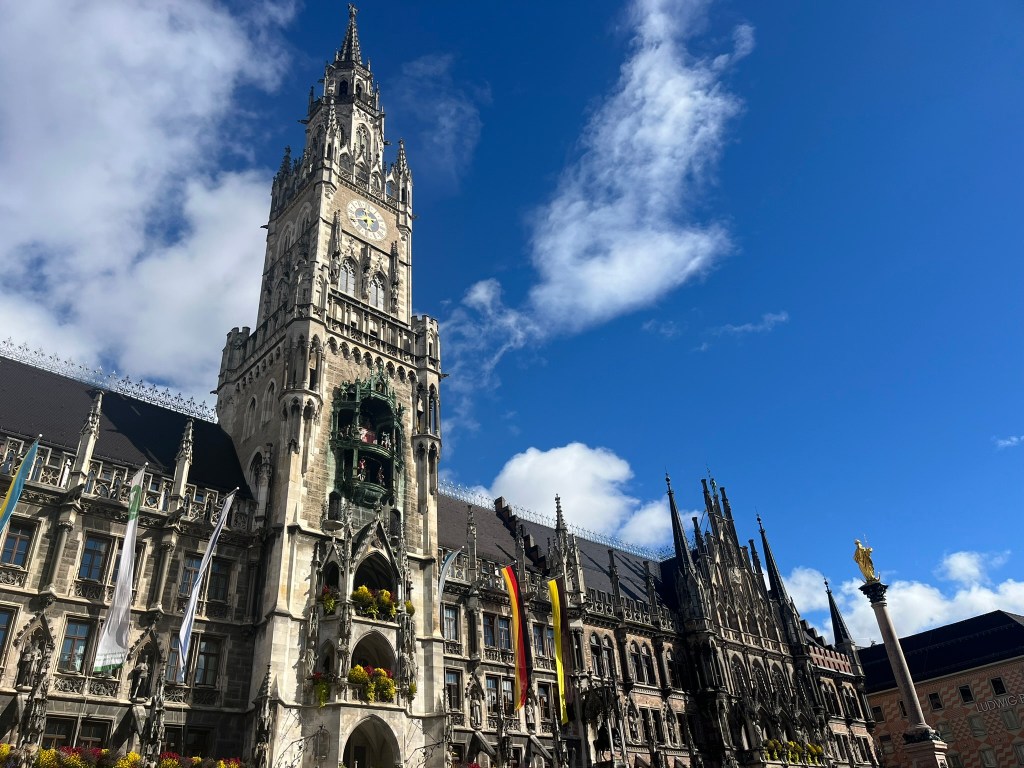
      • Marienplatz
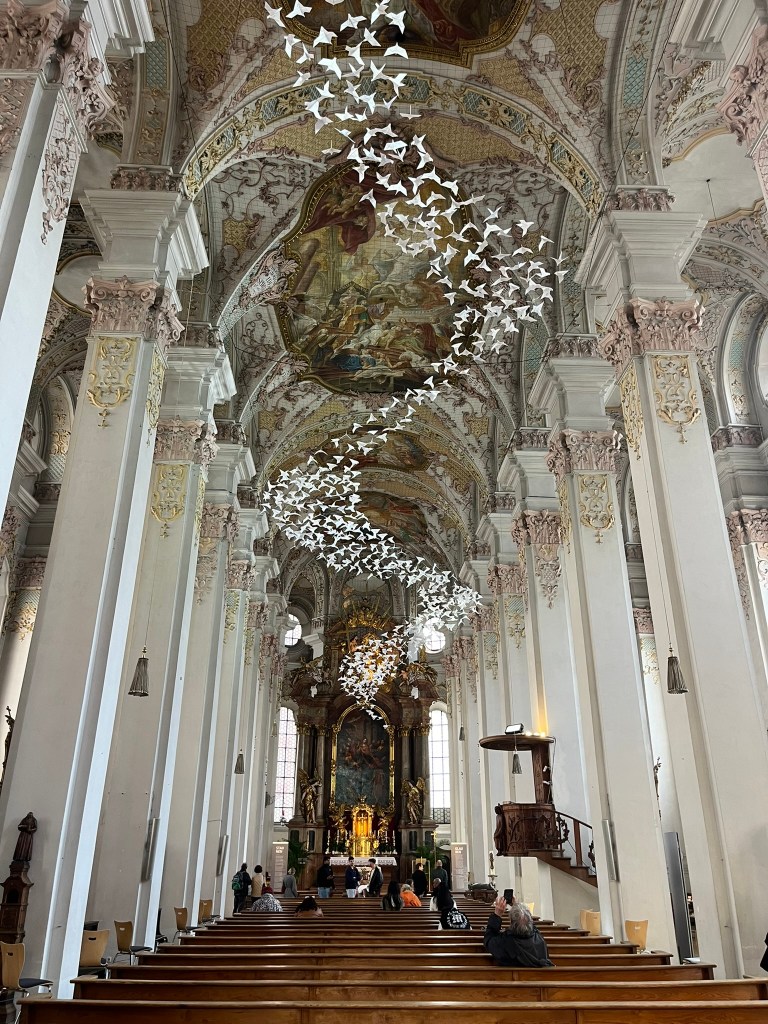
      • St. Peter Cathedral
      • Munich Residenz
      • Rathaus-Glockenspiel
      • Original Hofbraus
    • Restaurant Rec:
      • Viktualienmarket
    • Ended the day on the most epic travel adventure back at the train station to…… ITALY!!!!!
Stay tuned for the Italy leg of our trip…. but for now, Germany has captured our hearts and will be back to explore more! Maybe then we can finally meet my mom’s side of the family.

As always, God Bless!

Safari Time in South Luangwa & Lower Zambezi

Written by: Abbey Pratt M.S., CCC-SLP

What is a trip to Africa without a safari trip???

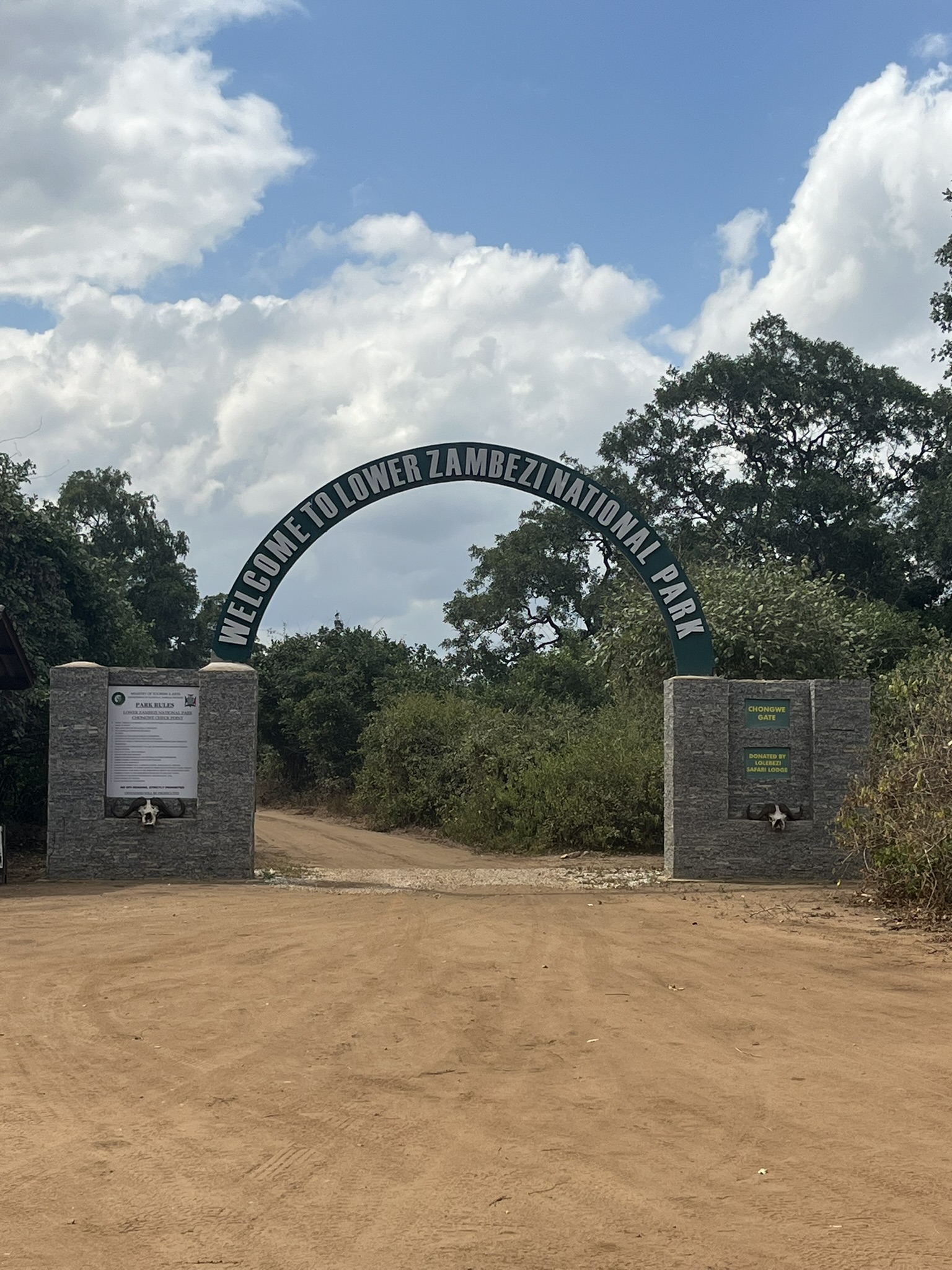
In Zambia, there are three major national parks: South Luangwa, Kafue, and Lower Zambezi. I had the pleasure of visiting two out of the three (so far)!

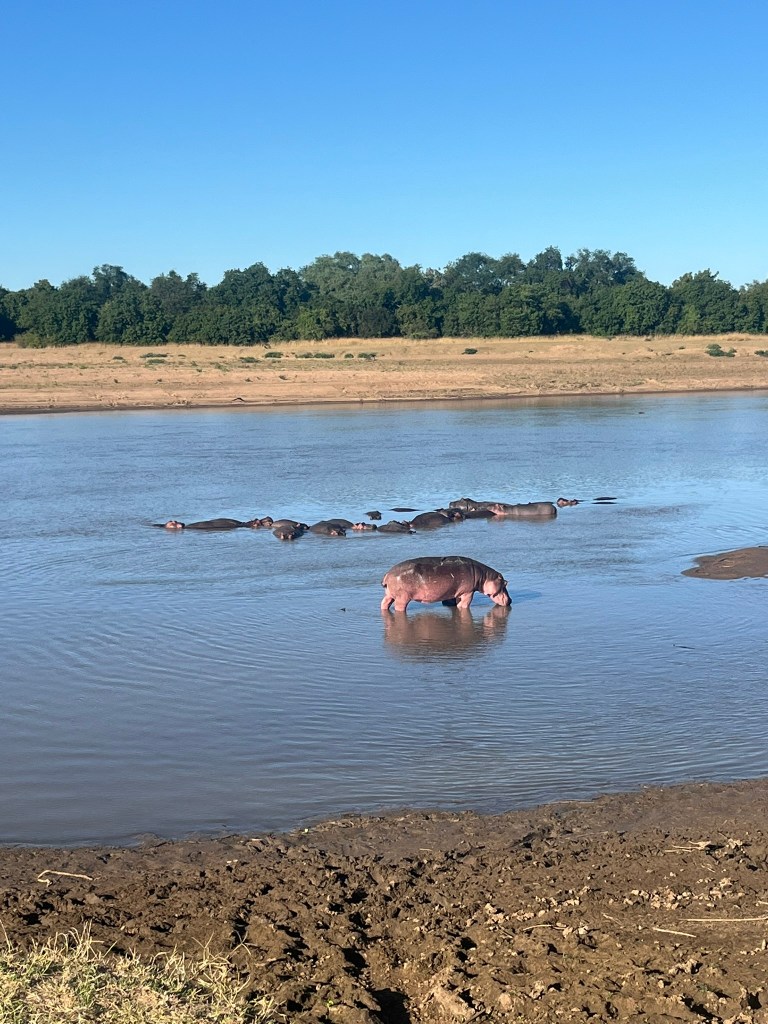
Although both had their own charm, I will forever be recommending South Luangwa National Park to anyone who visits Zambia. South Luangwa … you are INCREDIBLE!!!!! From the ‘King of the Jungle,’ aka lions, to genets (look it up, they’re cool), this park has it ALL (except for rhinos). The Luangwa River runs throughout the park and attracts all the hippos, crocodiles, cape buffalos, kudus, impalas, and elephants. Although the river was low, all of the animals were out and active!

Another recommendation is to stay at the Mfuwe Lodge with the Bushcamp company. It might be a little bit pricier than other camps; however, it will be worth your money! My stay was absolutely amazing and hope to be back again soon. Here is a typical day:

0530 – Wakeup call
0600 – Light breakfast with coffee and tea
0630 – Off on a morning game drive!
0830 – Stop for a coffee break in the park
1030 – Return to the lodge
1100 – Brunch served
1200 – Relaxation!
**Other activities offered: spa treatments, pool, library, business center with Wi-Fi, and outdoor gym!
1300 – Afternoon tea with delicious treats
1330 – Set off for your afternoon/evening drive
1530 – Stop for a sunset break with appetizers and adult beverages
1600 – Evening drives to find those nocturnal animals!
1800 – Return to the lodge
1830 – Dinner is served!
1900 – Relax at the bar or head to bed for the next early morning!

Because I am usually the one creating the itinerary and love a good schedule, I was in heaven! Staff was amazing, guest were fun, and overall had a fantastic time.

Best of luck fellow travelers on your planning for your African Safari adventure!

God Bless!

Trip to Livingstone

Written by: Abbey Pratt M.S., CCC-SLP

The #1 recommendation by my Zambian coworkers (and Google) was to make a trip to Victoria Falls in Livingstone. After very little convincing, a couple of my new friends and I set up a weekend of a lifetime. Let me tell you, it did not disappoint!

I was told the best time to see the falls was in mid-April to embrace the full effect of the Falls being full of water. Thankfully, we had four days off for Easter weekend and set out on Good Friday. From Lusaka to Livingstone, it’s about a 7 1/2-hour drive by car. Once arrived, we settled for the night to rest for the full day ahead.

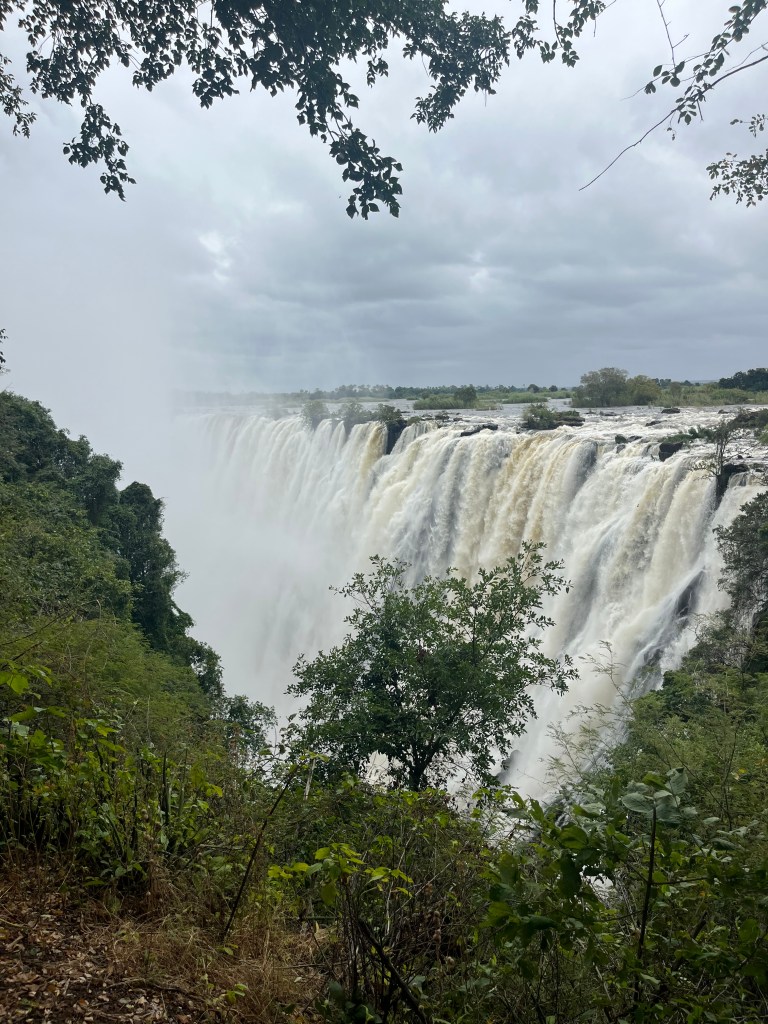
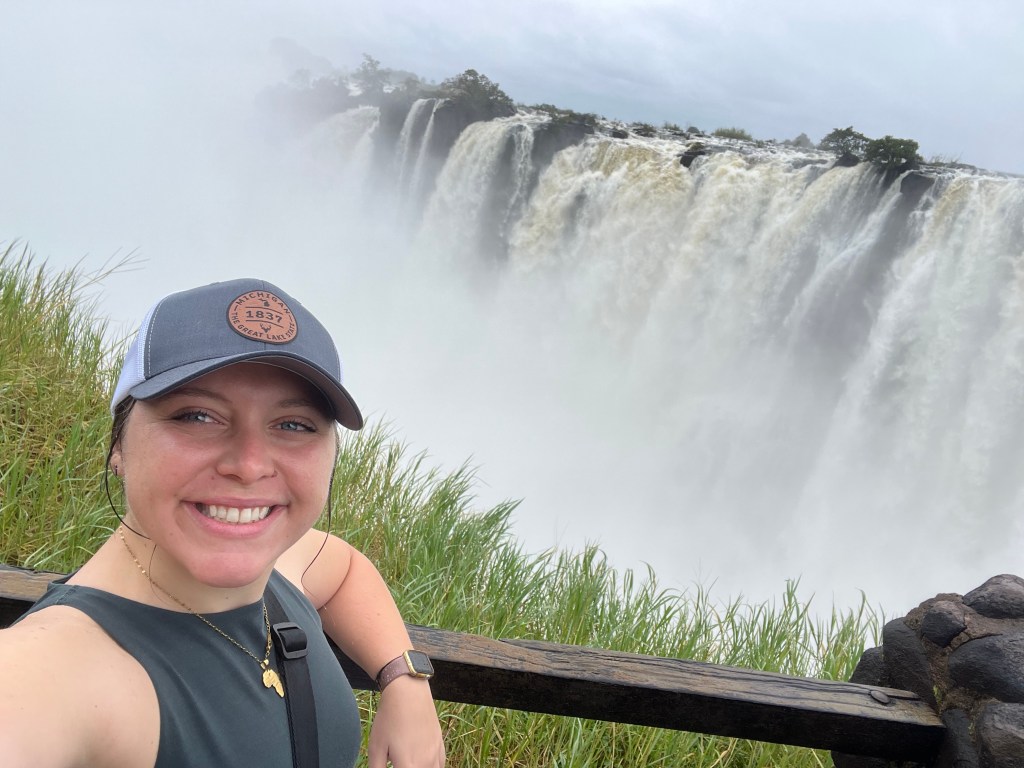
Saturday was dedicated to exploring Victoria Falls. The only word that came to my mind when trying to describe the Falls was: AMAZING! Nothing compares to the beauty we saw that day. It had rained the previous night, so the water level was unmatched. The amount of mist from the Falls made it invisible to see the bottom. It was incredible!

Side note: Beware of all the monkeys!

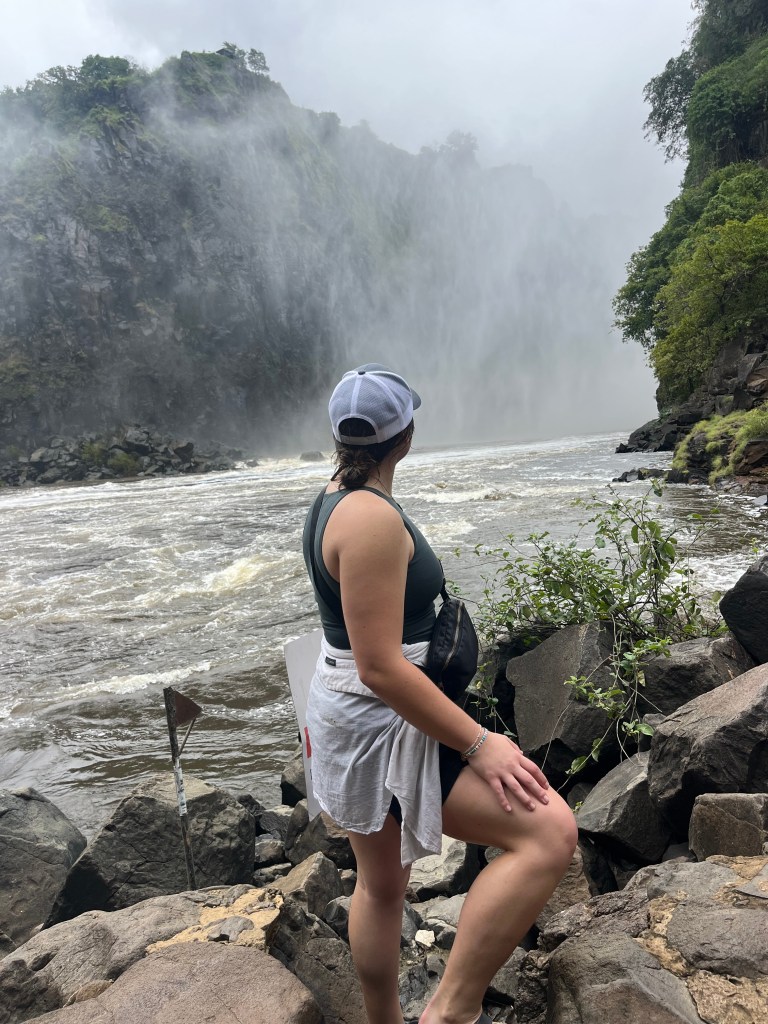
There are two sides to Victoria Falls, Zambia and Zimbabwe. On the Zambian side, there is a small park area where there are trails to walk safety around to view the spectacular falls. You can even walk down the ‘Boiling Point,’ which is the bottom of the Falls. Because I love a good adventure and hike, I made it down to the bottom and was once again stunned by the beauty.

Of course, I needed to cross the bridge to cross off another country. So, after we made it up from the ‘Boiling Point,’ we headed over to the Zimbabwe side. On the bridge, you have the opportunity to bungee jump. Sorry to disappoint, but I could not get myself to do this adventure. I played it safe and cheered on the other delusional people wanting to jump. On another note, the Zimbabwe views are just as (or even more) stunning!

Throughout the whole day, I was just in ‘awe’ of God’s amazing creation here on Earth!

Highly recommend going on a sunset river cruise!

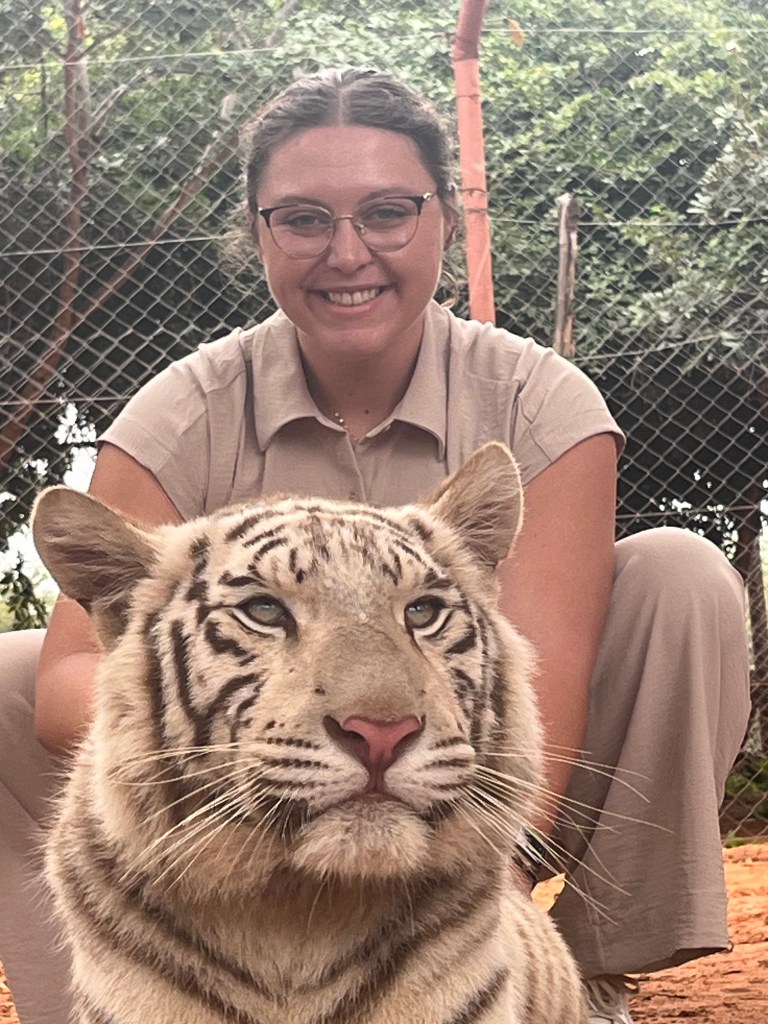
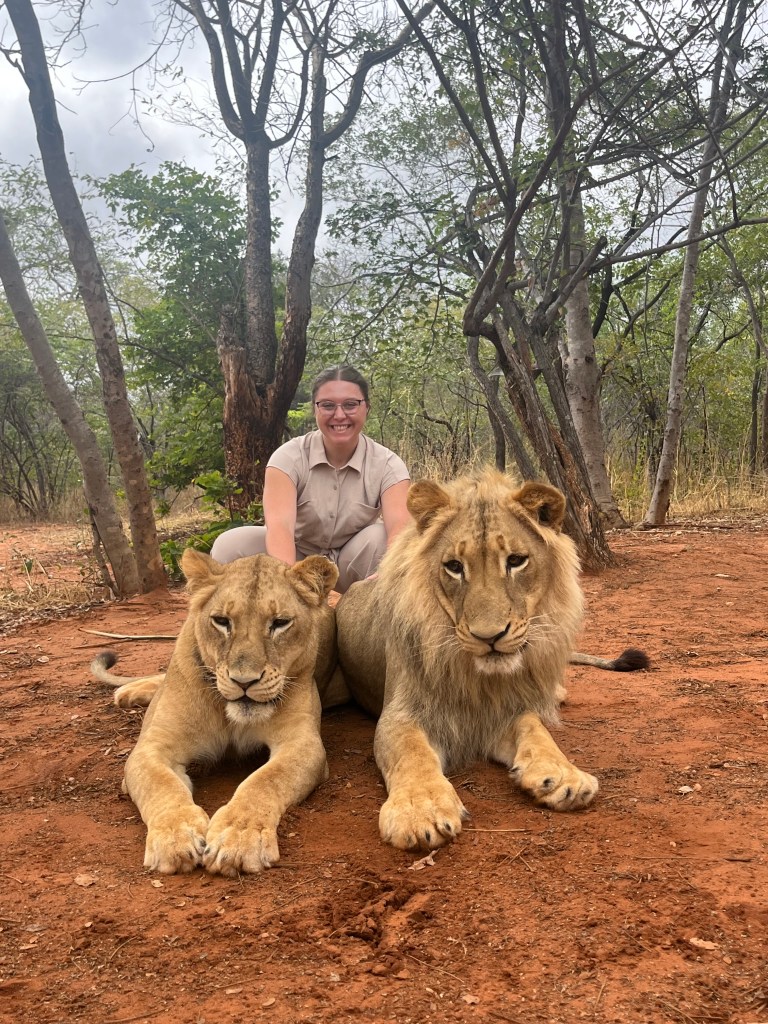
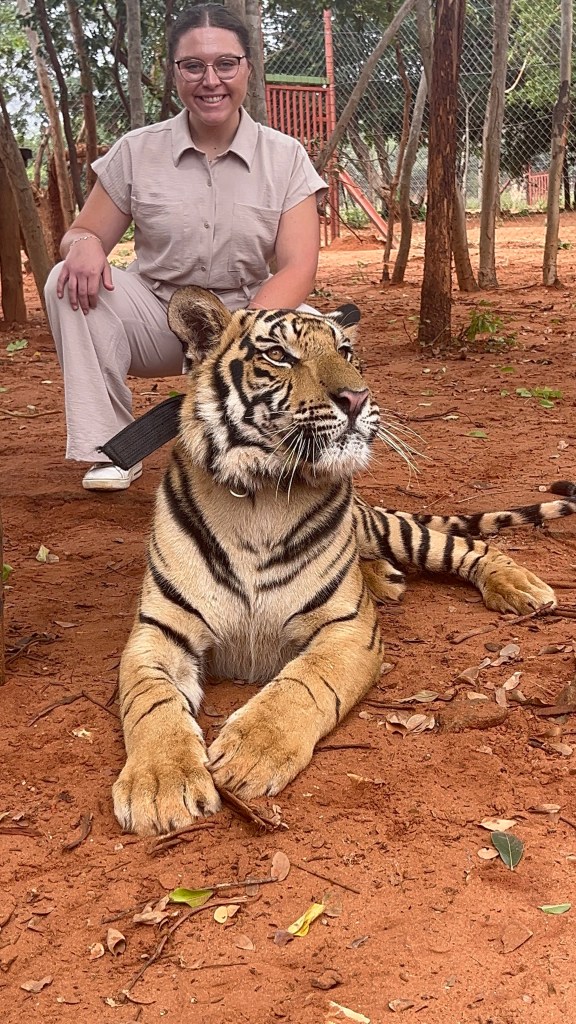
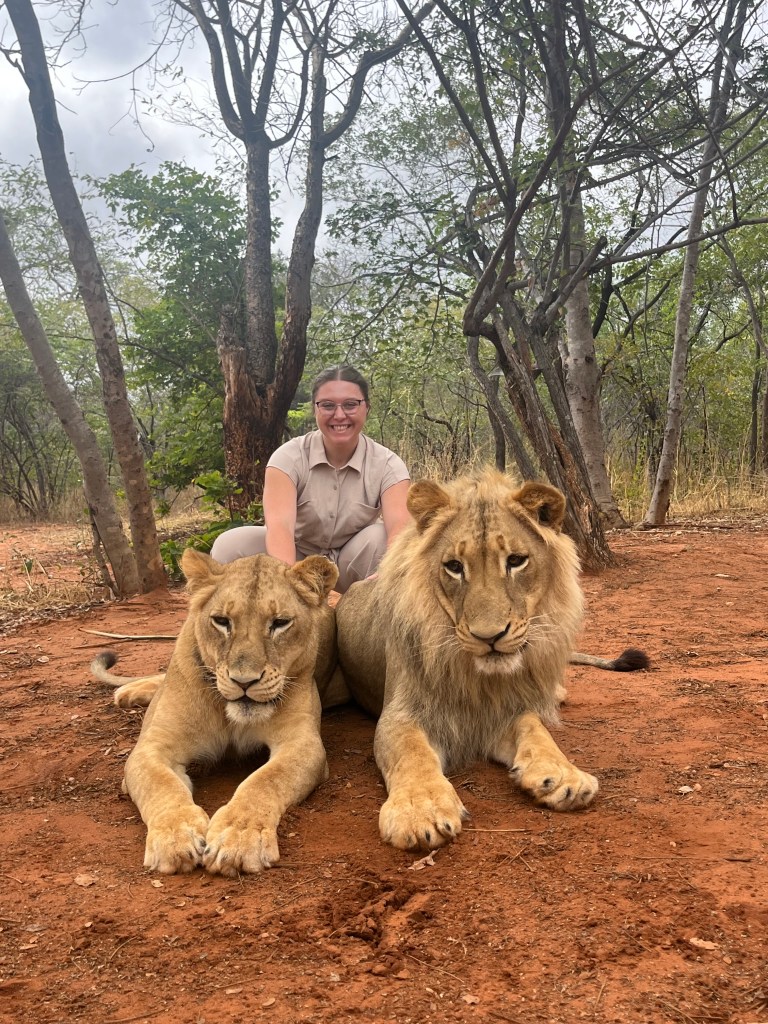
On Sunday, we made our way to interact with lions and tigers at Mukuni Big Five. The anxiety the people were feeling yesterday that were bungee jumping is what I was feeling today with interacting with those wild animals. However, it was the most riveting and exciting feeling in the world.

One of my Zambian coworkers’ tribes was based out of Livingstone. I was fortunate enough for him to show me around his village and engage with the locals at one of the markets. Let’s just say, my family and friends will be very excited for their African gifts when I return to the US!

The rest of the day was filled with laughter and good food with some local friends my coworkers had in Livingstone. It was the perfect way to end the majestic weekend we had spent in Livingstone.

Monday was set for heading back to Lusaka to get ready for the work week ahead. I can’t thank my new friends enough for taking me on another trip of a lifetime to Livingstone!

I am forever blessed and grateful to be here on this beautiful Earth God has created!

Life in Zambia

Written by: Abbey Pratt M.S., CCC-SLP

Are you living in a hut? Have you seen a lion yet? Do you have Wi-Fi?

These are just some of the questions I have been asked when telling people, I am living in Zambia for 6 months. So, I am here to tell you a little bit about what life is like in Lusaka!

First off, I personally do not live in a hut. Thankfully, I have a luxury one-bedroom apartment that is fully furnished with most appliances I use back in the US. In fact, I even made the most American purchase by getting an Air Fryer for the kitchen. I have a working toilet and shower in the bathroom and king size bed to sleep on at night. Although there is no washer/dryer, I have become accustomed to doing my own laundry the old fashion way… bucket of water and soap. This really makes me have to plan out what I am going to wear throughout the week. However, there are no complaints here!

The biggest challenge has been power/electricity. Power outages and consistent electricity is a very huge issue in Zambia. There is only one power company called ZESCO. Therefore, load shedding is the solution Zambia has established in recent years, meaning there are only certain times of the day I will receive power/electricity from ZESCO. Otherwise, most people will have solar power generators for back-up power. There are many times you will catch me praying for power, but then realizing I have all that I need in life.

The area of Lusaka I am living in is quite nice and has 3 or 4 shopping malls within walking distance. I have even found a local gym to join! My go-to grocery stores are Shoprite and Pick n’ Pay. I find it funny, but most grocery stores are within a shopping center and are never stand-alone stores. Within the shopping malls, there are various stories selling anything from clothes, shoes, and electronics. I can usually find everything I need!

Second, I have seen a lion in Zambia! There are several national parks, such as Lower Zambezi, South Luangwa, Mosi-oa-Tuyna and Kafue National Parks. When I visited Livingston, I was able to interact with two lions. Picture below as proof!

Third, although Wi-Fi can be sketchy at times, I do have a pocket Wi-Fi from my organization. This has been a game change for when I am out in the community without any signal. Otherwise, we have Wi-Fi in the office that I use for work. Plus, after getting a local SIM card, I am able to get service around all of Lusaka. The only time I don’t have service is when I am out in the bush or at national parks.

My plan is to explore more of what Zambia and other countries in Africa have to offer!

Fun Facts of Zambia:

  1. In Zambia, the currency is Kwachas. Currently, $1 USD is about 27-28 Kwachas.
  2. Zambia has around 72 different tribes coming from the 9 providences.
  3. Most common languages spoken within the Lusaka area include Nyanja, Bemba, Tonga, and Lozi. However, English is the official language.
  4. Zambia become an independent country on October 24, 1964. Beforehand, the land was British territory.
  5. Victoria Falls is located in Livingstone and is the biggest tourist attraction in Zambia.
  6. Zambia is known for copper (hence the Copperbelt providence).

The more time I spend in Zambia, the more I fall in love with this beautiful country!

Volunteering in Lusaka, Zambia!

Hello! 

Muli Bwanji?

As the past year has been filled with lots of contracts and adventures, it is time I come back to writing to share it all!

It has been long awaited…. but I am living in ZAMBIA!! (Or for at least 6 months). Currently, I am volunteering with Catholic Medical Mission Boards as a speech-language pathologist to provide speech therapy services. The project I am working on is specific to children with disabilities regarding feeding and swallowing difficulties, as well as advocating for speech therapy in Zambia.Β 

During the work weeks, I have the opportunity to visit three different hospitals and clinics to provide speech therapy services. These facilities include University Teaching Hospital (UTH), Kanyama Level 1 Hospital, and Chawama Level 1 Hospital.

At UTH, I am providing support and education to the healthcare worker providing services in the speech clinic, in addition to caregivers and parents of children with disabilities. Here, we see pediatrics ranging from ages 4-months to 11-year-olds with various disabilities, such as developmental delay, speech and language delay, expressive and receptive disorders, autism spectrum disorder, cerebral palsy, and down syndrome.Β  Typically, children are seen for group therapy at least once a week for speech therapy services.

At Kanyama Level 1 Hospital, I help with educating physiotherapists and providing speech therapy services during the paediatric clinic for children with disabilities once a week. These disabilities include (mostly) cerebral palsy and down syndrome with ages between 7-months and 8-years-old. Due to the number of children, limited therapy time, and lack of materials/toys, I have developed a home program for both feeding/swallowing strategies and communication strategies. These home programs have pictures and easy-to-follow recommendations for parents to use at home with their child. During the time of the clinic, I provide education and handouts to parents based on the parent-report evaluation with the recommendation to provide feedback the next time the child comes for physiotherapy.

Although the project aims to assist children with disabilities, Kanyama Level 1 Hospital has a large number of stroke patients with speech and language deficits. Currently, I have seen 5 stroke patients with weekly or bi-weekly check-ins and/or speech therapy sessions. Based on the assessment, I provide a home program for the adults and caregivers/families to complete at home. It is recommended these individuals come weekly or bi-weekly, depending on transport and availability.

Chawama Level 1 hospital is very similar to the Kanyama Level 1 Hospital, where I continue to educate and support the physiotherapists and provide speech therapy services during the paediatric clinic for children with disabilities once a week. The primary disability seen is cerebral palsy with ages ranging from 2-years to 11-year-olds.  After the parent-reported assessment is completed, I provide recommendations with a home program based on the needs of the child. It is recommended to provide feedback and questions either weekly, biweekly, or the next time the child participates in physiotherapy.

Throughout the years of the project, Access to Health Zambia has collaborated with SPOONs, an organization based out of Oregon (USA) that focuses on providing nutrition and speech therapy services to children with disabilities relating to malnourishment. This education and knowledge was also provided to Special Hope Network, a local NGO within the Lusaka area providing special education services to children with disabilities. Special Hope Network continues to use the SPOONs resources to provide cooking demonstrations for caregivers. I had the pleasure to attend a few demonstrations to assist with feeding and swallowing questions, including positioning, chewing, and any other feeding/swallowing challenges.

Lastly, I am working on advocating for speech therapy in Zambia. At this time, there are 3 certified speech-language pathologists in Zambia (all within the Lusaka area). Although this field is still a novelty in this country, it continues to slowly grow. Now, speech therapy is recognized by the Ministry of Health, Health Professions Council of Zambia, and Zambia ENT, Audiology, and Speech Therapy Society. Our goal is to improve the knowledge and raise awareness of the importance of speech therapy in Zambia!

Within the last three months, there have been several challenges and learning curves, such as understanding a new culture, learning the operations of hospitals/clinics, and adjusting β€˜typical’ speech therapy sessions. However, with the support from CMMB and Access to Health Zambia, I feel we are making great strides to expand the education of speech therapy and provide services to those who need it.

I look forward to continuing the work we have started, learning from the Zambian people, and exploring this beautiful country!

Zikomo!

Abbey Pratt M.S., CCC-SLP

SLPs – Scope of Practice (aka: All Our Talents)

Written by: Abbey Pratt M.S., CCC-SLP

“You’re the speech teacher, right?”

If I had a dollar for every time I heard this phrase, I wouldn’t even have to work. But, the real answer is “no.” I am NOT a speech teacher, I am a speech-language pathologist.

“So, what’s the difference?”

Well, let me just tell you all the talents of a speech-language pathologists! (To be honest, I didn’t even know what my profession did either until I began graduate school).

First off, most people don’t realize speech-language pathologists must obtain a master’s degree before practicing. That’s four years of undergrad and two years of graduate school (3 years if your bachelor’s degree is not related to the field).

Below are the areas of therapy we provide:

Articulation/Phonology (Speech): This is the typically diagnosis people think of when they think speech therapy…. working on the /r/ sound! Overall working with individuals on the production of speech sounds and putting the correct speech sounds in the correct position of the word.

Stuttering: The dysfluency of individuals when verbally communicating, such as “I-I-I,” “but-but-but,” or “um-I-um-um.”

Langauge (Expressive and Receptive): Meaning expressive language is the individual’s way of communicating with others to indicated wants/needs or express thoughts/ideas; receptive language is the individual’s understanding of language from another individual.

Augmentative and Alternative Communication (AAC): Includes all forms of communication (e.g., speech-generating devices, picture exchange communication cards/icon cards, sign language, etc.) to indicate your wants, needs, thoughts, and ideas. (Will do more on this topic!)

Pragmatics: This is meaning social language/skills/communication. Here, an individual demonstrates difficulty will the social use of nonverbal and verbal communication. For example, greeting others appropriately, initiating a conversation, maintaining topic in conversation, and/or understanding body language/gestures within a communication with another person.

Feeding: From picky/problem eaters to weaning off a g-tube, SLPs will provide various techniques and strategies to assist with increasing oral intake!

Dysphagia/Swallowing: Due to a medical conditions that have happened (e.g., stroke, traumatic brain injury, other illnesses, etc.), individuals could demonstrate difficulty with chewing and swallowing. Think of it as everything is going down “the wrong way” or “feels stuck in my throat” at every meal or whenever you swallow some food/drink. Therefore, we step in to provide appropriate diets and potential swallowing exercises to increase their swallowing function. Pretty cool, eh?

Cognitive: These individuals demonstrate difficulty with organizing thoughts, planning ideas, problem-solving, paying attention, and memory issues. Stroke, traumatic brain injury, or dementia are some disorders what could require speech therapy.

Voice: From vocal hygiene tips to voice prostheses, speech-language pathologist are involved in voice therapy. SLPs work hand-and-hand with ENTs (Ear, nose, throat specialists) to establish what is causing the vocal pain/soreness and what best way to treat it. A voice disorder includes the difficulty of producing appropriate voice quality, pitch, and loudness based on your ethic qualities.

As you can see, there are a variety of areas speech-language pathologist provide therapy in…. and it’s awesome to be in a field with a variety of knowledge.

Hence, why traveling and exploring new areas within speech therapy has been nothing but amazing! I know I can’t be an expert in all areas but at least I can have some knowledge about these topics to feel competent for whoever walks through my door needing speech therapy. If not, I will refer them to who can (lol).

Anyway, thanks for following along and reading a little bit more about what speech-language pathologist actually do. If you are interested in more information, leave a comment/send a message or go on ASHA’s website to learn more!

Much love and God Bless!
5 Tips I Have Learned While Being A Travel Therapist

Written by: Abbey Pratt M.S., CCC-SLP

If you are new here, welcome! My name is Abbey Pratt, and I am a traveling speech-language pathologist. To be fair, I have only been a traveling therapist since September 2022. Currently, I am on my second contract in Fond du Lac, Wisconsin. And yes, I know it’s the middle of winter πŸ™‚

Anyway, with being a newer traveling therapist, I thought it would be beneficial to provide some tips I have learned so far while being on this journey.

  1. Pick a traveling agency that has your best interest and sees you as a therapist rather than a number. (If you need a recruiter, hit me up!)
  2. Get your stated license in any state you want to visit to avoid pushing back your start date!
  3. Advocate for yourself! Don’t settle for anything less than you deserve. Speak up to get more $$$
  4. Use Airbnb for housing… there are other websites of Facebook groups but have found to Airbnb to be the cheapest and most reliable.
  5. Go adventure!! Find random cities or towns to work in and see what the world has to offer.

As I continue to travel, I will definently provide more tips and tricks I learn along the way. For now, this is all I got.

God Bless!

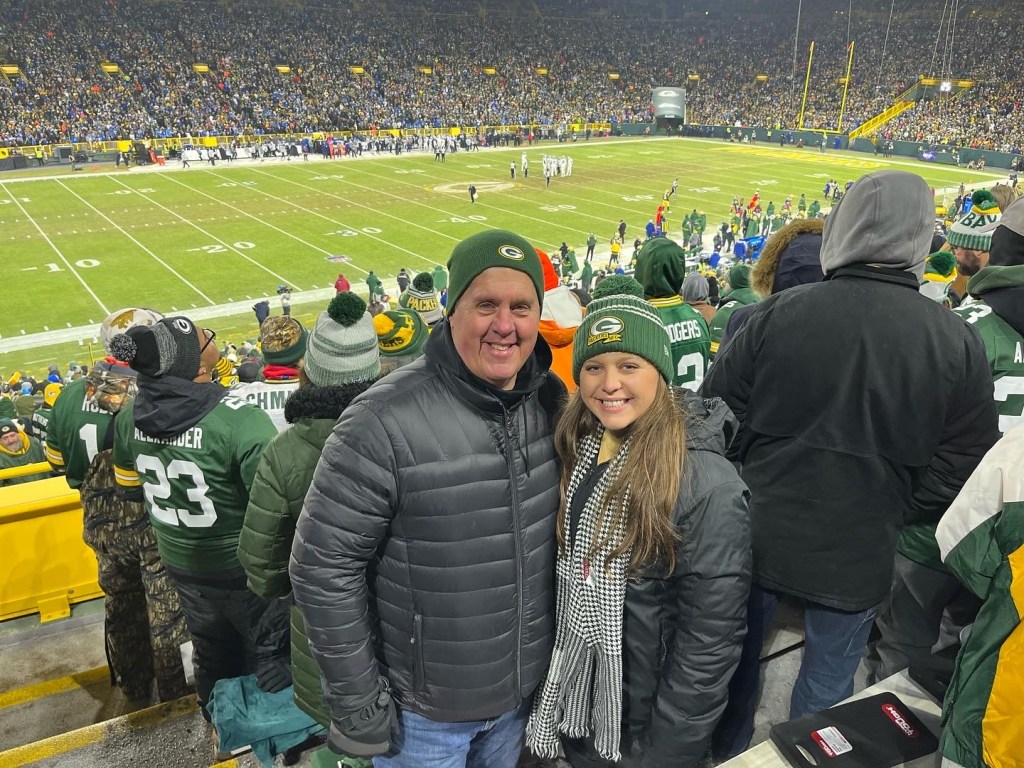
We went to the famous Lambeau Field!

Written by: Abbey Pratt M.S., CCC-SLP

Yes, the rumors are true…. I finally made it to a game at Lambeau Field. Still in shock and replaying the day in my head. Little back story for ya.

When I signed my contract to come to Fond du Lac, WI, I immediately looked to see how far I was going to be from Green Bay. Close enough for me! As I am looking for tickets, my brother texts me saying, “If I buy you Packers tickets for Christmas, can you find someone to go?” Heck yes! Even if I go by myself, I am going to a game.

Fast forward, to a few weeks before the game, my dad texts me, “I will volunteer to go to the Packers game if you don’t have anyone in mind.” Well, could this get any better! Side note: my dad hates the cold and hates how long the TV timeouts are in the NFL. So, this definently surprised me and couldn’t tell him no.

Now, New Years Day has arrived and the Green Bay Packers are fighting for a playoff spot. They smoke the Vikings, in which turns their game on 1/8 vs. Detroit to be a “win or go home” type of game.

PRIME TIME BABYYYYY

You already know when game day arrived my dad and I were there at least 5 hours before kick-off to experience the true Green Bay tailgate atmosphere. Highly recommend:

-Johnson Tailgate Center (right outside the stadium)
-Miller Lite bar (inside the stadium; to keep warm and get draft beers)
-Hall of Fame (inside the atrium of the stadium)
-Cheese curds, Brats, and Beer = Green Bay Tailgate Package

These were all amazing and would go again in a heartbeat!

My dad said it best, “NFL game, college atmosphere, high school community.”

Top 10 Tips for Parents whose children of ASD

Written by: Abbey Pratt M.S., CCC-SLP

To my parents whose kids were diagnosed with autism spectrum disorder,

First off, I am here to tell you that y’all are all AMAZING parents and continue to provide a wonderful life for your child. Life is challenging as it is, so just imagen adding a neurological disability to it. Everyday life activities, such as brushing your teeth, taking a bath, using the bathroom, and even eating a variety of foods can be challenging for these individuals. However, these human beings are the most special people in the world. Each and every one of them have something unique to offer.

As a speech-language pathologist (SLP), I often work with several individuals with autism, who often experience speech, language, and social/pragmatic delays and/or deficits. Whether it be from establishing a communication system or helping them with social communication skills, SLPs do it all. Here are my top 10 tips for parents with children with ASD:

  1. Take a deep breathe… remember your child is still a kid! Just because your child has a neurological disability, they still need your love and support.
  2. Try and look at the positives rather than the negatives. Yes, I understand autism is a neurological disability and comes with challenges everyday but remember it could be worse. They are healthy, strong kids wanting to live a fun, happy life!
  3. Seek the help you need! Often time, parents don’t realize all the professionals that are here to help. It is best to ask your physician for referrals to whomever can help your child succeed. These include:
    – Board Certified Behavior Analysts
    -Speech-Language Pathologist
    -Occupational Therapy
    -Clinical psychologists
  4. Be involved in therapy sessions. In order for your child to succeed outside of therapy sessions, you, as parents, are a very important part. Yes, children can receive several hours of therapy a week; however, it is critical for parents to relay the strategies and techniques utilized in sessions be carried over in the home.
  5. Keep an open mind. Some therapist may ask you to try something out of the ordinary with a 50/50 shot if it’s going to work or not. Some (if not all) of the strategies or techniques we use are trial and error and that’s okay!
  6. Don’t be afraid to ask questions and/or suggest ideas to therapist. Personally, I enjoy collaboration and ideas from parents. I mean, you all know your kid better than I do. If a communication system isn’t necessarily working at home, then let’s figure out how your child can best communicate with you.
  7. It’s okay to want to have time apart from your kid. Just like any parent, you need your alone time. I totally get it! Find the right time and right people to watch your kid while you have some much needed self-care.
  8. Educate Others: Although autism is becoming more prominent and/or diagnosed, there are still thousands of people who are still unaware of this disability.
  9. Celebrate the little victories: Many basic daily life skills are challenging for kids with autism to learn and do independently. Some examples are going to the bathroom on the toilet, eating/drinking safely or with textures, brushing teeth, getting a hair cut, etc. It is a HUGE win when these individuals conquer one of these.
  10. Believe: Yes, I know I sound like the train conductor on the Polar Express, but it’s a fact. Believe your child can do the things other typically developing children can do. Believe your child is going to communicate their wants/needs. Believe they are going to eat your different textured foods. Believe your child has a purpose in life and will continue to excel in all areas of life.

Well, I hope this was somewhat helpful and enlightening. If not, I’ll try harder next time.

I wanted to express what I have seen throughout my experience with caregivers and kids with autism. I hope to continue learning and sharing my knowledge!

Much love πŸ™‚

Officially a Wisconsinite!

Written by: Abbey Pratt M.S., CCC-SLP

Hello fellow readers,

First off, so sorry I have been gone so long. I got lost in the California adventures and forgot to take y’all along with me.. But I am here now!

Well, a little life update for you, I have moved to Wisconsin! (Well, at least for 13 weeks). I am spending my time between Oshkosh and Fond du Lac, WI. Go Packers! It has been nothing like California but in a positive way. My contract is slated for a pediatric outpatient facility, specializing in Autism Spectrum Disorder. This facility is known as the Treffert Center in Fond du Lac, WI. The famous Dr. Treffert has made his remark on the world with educating and shining light on autism and savant syndrome. He has created an atmosphere and therapy style that has helped so many individuals and families develop skills to use during their everyday lives. For example, understanding/assisting with behaviors, utilizing mulit-modal communication, learning/teaching everyday life skills, and so much more. I commend all the staff that have embraced Dr. Treffert’ s vision! I look forward to continue learning about Dr. Trefferet’s research and knowledge to use in my practice. (Don’t worry…. I will create Spark Notes).

Although I came at such a crazy/random time, it has been a wonderful start! As my caseload is building up, I have been helping out in inpatient/acute care at St. Agnes Hospital (literally across the parking lot). What a deal… work with a 4 year old with Autism then go over to the hospital for a clinical bedside swallow eval on a 90 year old patient. It is honestly the best of both world at times…. until I get back-to-back-to-back patients (haha).

Here is to a new year resolution to writing more blogs!

Thanks for stopping by and taking a read… see you soon!